

Communication Skills for Dental Nurses: Why They Matter and How to Improve Them
- Krisha Cunningham
- Jun 10
- 5 min read
Effective communication is a vital skill for dental nurses. It shapes how you interact with patients, support dentists, and work within the dental team. Good communication helps patients feel comfortable and understood, which can improve their experience and treatment outcomes. It also ensures smooth teamwork and reduces errors in the dental practice.
In this post, I will share practical tips and insights on how dental nurses can develop strong communication skills. I will also highlight useful resources that can support your learning journey.
Why Communication Matters in Dental Nursing
Dental nursing is more than just clinical tasks. It involves constant interaction with patients who may feel anxious or unsure about dental procedures. Your ability to listen, explain, and reassure can make a big difference.
Clear communication helps you:
Build trust with patients
Gather accurate information about their health
Explain procedures and aftercare instructions clearly
Support dentists by relaying important information
Work effectively with colleagues
When communication breaks down, it can lead to misunderstandings, patient dissatisfaction, and even mistakes in treatment. That’s why developing these skills is essential for every dental nurse. Communication is just one of several important skills needed for success in dentistry. You can explore other key dental nurse skills in our guide to becoming a successful dental nurse.
Key Communication Skills for Dental Nurses
Active Listening
Listening carefully to patients is the foundation of good communication. It means giving your full attention, not interrupting, and showing empathy. When patients feel heard, they are more likely to share important details about their health and concerns.
Try to:
Maintain eye contact
Nod or use small verbal cues to show you are listening
Repeat or summarise what the patient says to confirm understanding
Clear and Simple Language
Dental terms can be confusing for patients. Use plain language to explain procedures, risks, and aftercare. Avoid jargon and speak slowly if needed. This helps patients feel more confident and less anxious.
For example, instead of saying “We will perform a prophylaxis,” say “We will clean your teeth to remove plaque and keep your gums healthy.”
Non-Verbal Communication
Your body language, facial expressions, and tone of voice all send messages. Smile warmly, keep an open posture, and use a calm tone. These non-verbal cues can help patients feel at ease.
Be mindful of cultural differences in non-verbal communication, as gestures or eye contact may have different meanings.
Asking Open-Ended Questions
Encourage patients to share more by asking questions that cannot be answered with a simple yes or no. For example:
“How have you been feeling since your last visit?”
“Can you tell me more about your dental pain?”
This approach helps you gather detailed information and shows genuine interest.
Managing Difficult Conversations
Sometimes, you may need to deliver unwelcome news or handle upset patients. Stay calm, listen to their concerns, and respond with empathy. Avoid arguing or becoming defensive.
If a patient is anxious, acknowledge their feelings and explain what you will do to make them comfortable.

Close-up view of dental nurse explaining treatment to patient
How Training Can Improve Your Communication Skills
Training plays a key role in building confidence and competence in communication. For example, the Level 3 Diploma in Dental Nursing is designed to cover both clinical skills and professional communication.
One excellent resource is the Infills Academy Level 3 Diploma in Dental Nursing. This online course offers flexible learning tailored to aspiring dental nurses across the UK. It includes modules on patient communication, teamwork, and professional behaviour, helping you develop the skills needed to succeed in practice.
You can learn at your own pace and apply what you learn directly in your workplace. This kind of training not only prepares you for the General Dental Council (GDC) registration but also equips you with practical communication techniques.
For more details, visit the Infills Academy Level 3 Diploma in Dental Nursing.
Communication Tools and Techniques in Practice
Using Visual Aids
Sometimes, showing patients diagrams or models can help explain treatments better than words alone. Visual aids make complex information easier to understand and remember.
Confirming Understanding
After explaining something, ask patients to repeat the information in their own words. This confirms they have understood and gives you a chance to clarify if needed.
Written Instructions
Providing clear, written aftercare instructions supports verbal communication. Patients can refer back to these notes at home, reducing confusion and improving compliance.
Team Communication
Good communication within the dental team is just as important. Use clear, concise language when passing on information. Regular team meetings and briefings help keep everyone informed and aligned.

Eye-level view of dental nurse using visual aids to explain treatment
Tips for Aspiring Dental Nurses to Build Communication Skills
Practice active listening in everyday conversations
Role-play patient scenarios with colleagues or mentors
Seek feedback on your communication style and areas to improve
Observe experienced dental nurses and learn from their approach. Understanding the day-to-day responsibilities of a dental nurse can also help you develop the confidence and skills needed in practice.
Use online courses like the Infills Academy Level 3 Diploma in Dental Nursing to gain structured knowledge
Remember, communication is a skill you can develop with practice and patience. It will become easier and more natural over time.
How Dental Practices Benefit from Strong Communication
Dental practices that encourage good communication see many benefits:
Higher patient satisfaction and loyalty
Fewer misunderstandings and complaints
Better teamwork and staff morale
Improved patient safety and treatment outcomes
Investing in communication training for your team, such as through the Infills Academy’s online courses, can make a real difference. It supports both new and experienced dental nurses in delivering excellent care.
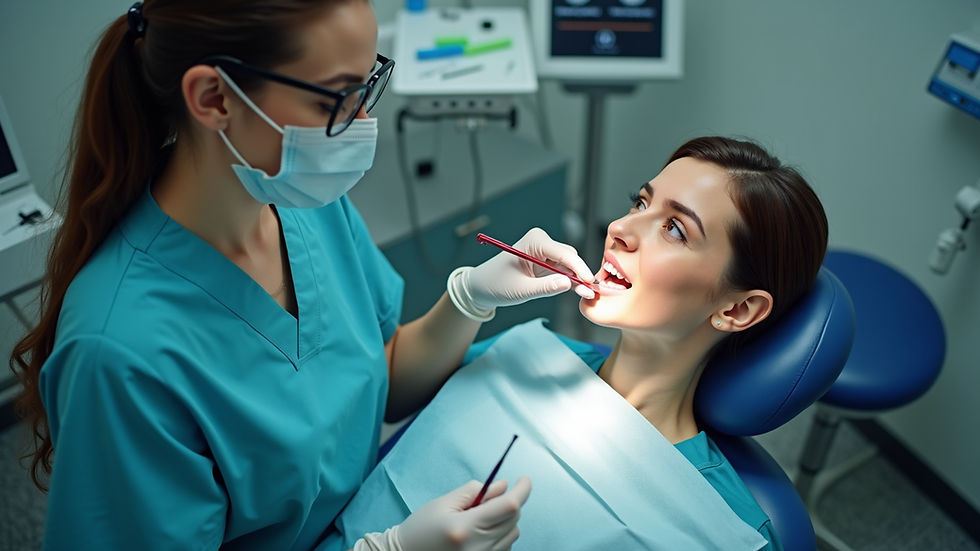
High angle view of dental nurse preparing instruments while communicating with dentist
Communication skills are at the heart of dental nursing. They help you connect with patients, support your team, and provide safe, effective care. By focusing on listening, clear explanations, empathy, and teamwork, you can build strong relationships and grow in your role.
If you want to take your skills further, consider enrolling in a recognised course like the Infills Academy Level 3 Diploma in Dental Nursing. It offers practical training that prepares you for real-world challenges and helps you register with the GDC.
Start building your communication skills today and make a positive impact in dental care.


Comments